


If you’ve ever tackled a home repair, HVAC job, or even a DIY outdoor project, you’ve probably stumbled on foil backed butyl tape. I’m not just some random blogger here— I work with this stuff every single day as a supplier, so I’ve fielded way more questions than I can count, and the one that comes up most often is: does it actually work well on painted surfaces?
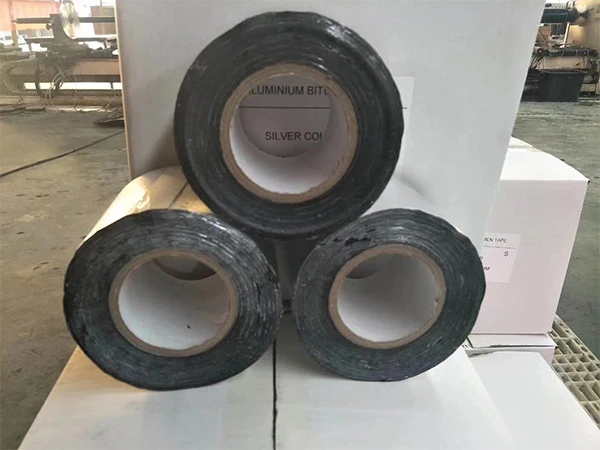

Let’s cut to the chase— it’s not a one-size-fits-all answer, but it’s way better than people give it credit for, as long as you do it right. First, let’s break down why painted surfaces would even be a question here. Painted walls, roof panels, metal ductwork, or old window sills are everywhere in construction and home fixes, and if you use the wrong tape, you end up with bubbling, peeling tape, or worse, leaks or moisture damage. For us, the Foil Backed Butyl Tape is designed to be flexible and stick to all kinds of surfaces, but paint is tricky because not all paint is the same.
First, let’s talk about what makes butyl tape different from regular packing tape or masking tape. Butyl is that rubbery, stretchy stuff that stays pliable even in extreme temps— we’re talking snow in the 20s (Fahrenheit, for my US folks) or summer heat that makes asphalt soft. That flexibility is key because surfaces expand and contract with temperature changes, so rigid tapes crack and fall off. The foil backing adds an extra layer of heat and UV resistance, so it doesn’t crumble in the sun like plain butyl tape would. That’s why this stuff is used for roof flashing, duct sealing, and waterproofing around vents— it’s built to hold up long-term.
Now, the paint part. Not all paint is created equal, so let’s get specific. Oil-based paint is the most reliable when it comes to working with tape, because it’s tough, durable, and has a slightly porous (but not too porous) surface that lets the butyl’s adhesive bite in. Latex paint, which is super common these days for walls and even some exterior trim, is a mixed bag. New, fully cured latex paint works great if you prep it right, but if it’s only been on a week or two, it’s still curing and has that soft, slightly sticky top layer that will make tape peel right off.
Then there’s glossy or semi-gloss paint. That’s the big culprit for bad results. Glossy surfaces are so smooth that the adhesive can’t get a good grip— it’s like trying to stick tape to a polished dinner plate. We’ve had customers try using our Aluminum Foil Butyl Rubber Tape Self Adhesive Waterproof on a glossy garage door last month, and it peeled off within a month because they skipped the prep step. Flat or eggshell paint is usually fine, but only once it’s fully cured. The weird one is chalk paint, which is super popular for furniture makeovers— it’s chalky and dusty, so even if you think it’s dry, there’s still a layer of powder on the surface that stops tape from sticking.
The big mistake most people make is skipping prep, and that’s why foil backed butyl tape gets a bad rap. If you just unroll it and press it to a painted surface, no matter what kind of paint, it’s not going to last. The adhesive needs a clean, dry, slightly rough surface to bite into. Let’s use our own product examples to make this concrete. Our Aluminum Foil Butyl Tape is made for heavy-duty use, so when a HVAC tech comes to us for duct sealing on painted metal ductwork, we always tell them to wipe the surface with rubbing alcohol first to get rid of dust, grease, or any leftover paint residue. If they don’t do that, the tape might stick for a while, but eventually, the gunk between the paint and tape will cause it to lift, and you’ll have to redo the job, which is a pain.
I’ve seen so many DIYers waste time and money because they didn’t prep the surface. Last year, a guy reached out to us saying his Aluminium Foil Rubber Tape peeled off his roof’s painted metal panels in the middle of a rainstorm. Turns out, he just wiped it with a rag once, not rubbing alcohol, and there was pollen and tree sap all over the paint. We walked him through the steps: sand the area lightly with fine-grit sandpaper (220 grit works perfect, it scuffs the paint just enough without damaging it), wipe it down with isopropyl alcohol, let it dry completely, then apply the tape and press it firmly with a roller (or even a credit card, if you don’t have a roller) to get rid of all air bubbles. He tried it, and he emailed us a month later saying it hasn’t moved, even through that week of heavy rain. That’s the difference between doing it right and cutting corners.
Another thing to consider is the environment the tape is going to be in. If it’s for an indoor project, like sealing a painted wall gap around a pipe, it’s way more forgiving. Indoor temps are pretty consistent, so even if you skip a tiny bit of prep, it’s probably going to hold. But outdoor? That’s a whole different ballgame. UV rays, temperature swings, wind, and rain all put way more stress on the tape, so prep is non-negotiable here. We supply a lot of this Waterproof Butyl Rubber Aluminium Foil Tape for outdoor roof flashing, and every single one of those customers preps the painted surface, because they know a leaky roof is way worse than spending an extra 5 minutes sanding and wiping.
Wait, let’s address a common myth: does the paint being old matter? Yeah, it does, but not in the way you think. Old paint that’s peeling or chipping is obviously bad— the loose paint will come off with the tape, so you have to scrape all loose paint first, then sand it smooth, before applying the tape. But old, intact, painted surfaces that have been there for years? As long as they’re not glossy or dusty, they work great. I’ve seen tape stick to 10-year-old painted window sills that had a few layers of paint on them, as long as it was prepped properly.
What about common use cases? Let’s break that down to make it relatable. If you’re sealing a gap around a painted, exterior AC unit flange? Prep that surface with alcohol, sand lightly, and our foil backed butyl tape will hold for years. If you’re patching a small hole in a painted metal roof? Same steps, just make sure the area is bigger than the hole so the tape has a good surface to stick to. If you’re using it to seal a painted interior wall around a plumbing pipe? Just wipe with a dry cloth, maybe a little alcohol if there’s any dust, and it’ll stick perfectly. The only time I’d say it’s not ideal is if you have a super glossy painted surface that you can’t sand (like a painted countertop or a glossy cabinet) because sanding would mess up the finish. In that case, you can try using a primer for tape adhesion first, or go with a different tape that’s designed for glossy surfaces, but for most construction and home repair jobs, foil backed butyl tape works great on painted surfaces when you do it right.
As a supplier, we get requests all the time for advice on how to use our products, and that’s the most fun part of my job— helping people get their projects right, not just selling them tape. The biggest tip I can give anyone is: don’t skip prep. The tape is only as good as the surface it’s sticking to. If you follow that, you won’t have issues with peeling, leaks, or wasted tape.
If you’re working on a project and need the right foil backed butyl tape for painted surfaces, we’ve got a range of options tailored to different jobs, from indoor small fixes to heavy outdoor roof and duct work. If you have questions about which one is right for your project, or need more details on prep steps, feel free to reach out to us to chat procurement and project needs.
References
- Butyl Tape Adhesion Performance on Common Construction Surfaces, Construction Adhesives Journal, 2022
- Surface Preparation Best Practices for Waterproof Tape Applications, Home Repair Pros Guide, 2023
- Foil Backed Butyl Tape Weather Resistance Testing, Industrial Sealants and Tapes Magazine, 2021


