Hey there! As a supplier of Anti - Corrosion Butyl Sealant Tape, I often get asked if our product can be used for sealing ventilation systems. Let's dig into this topic and see if our butyl tape is the right fit for ventilation system sealing.
What is Anti - Corrosion Butyl Sealant Tape?
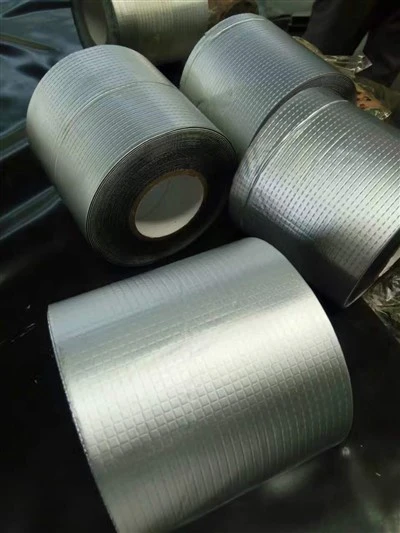
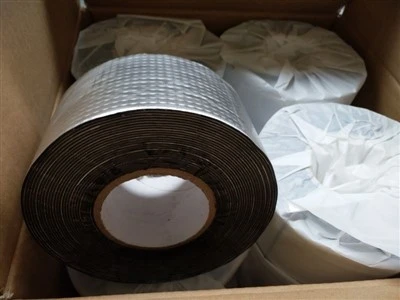
First off, let me give you a quick rundown on what anti - corrosion butyl sealant tape is. It's a type of tape made from butyl rubber. Butyl rubber is known for its excellent sealing properties, high adhesion, and resistance to water, air, and chemicals.
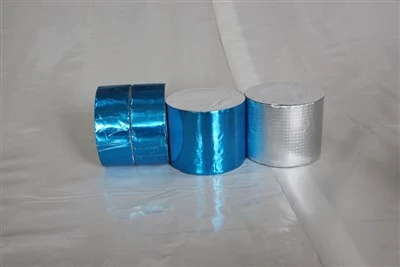
Our Black Tack Butyl is a prime example. It's a super - sticky tape that can adhere to a variety of surfaces, including metals, plastics, and glass. The Black Butyl Rubber Tape is also a popular choice, offering great flexibility and long - term durability.
Requirements for Sealing Ventilation Systems
Before we decide if our butyl tape can be used for ventilation systems, we need to understand what these systems need. Ventilation systems are designed to move air in and out of a building, so the sealant used must be able to:
- Prevent air leakage: A good sealant should stop air from leaking out of the ducts, ensuring that the ventilation system works efficiently. If there are air leaks, the system will have to work harder to maintain the desired air flow, which can lead to higher energy costs.
- Withstand temperature changes: Ventilation systems can experience a wide range of temperatures, from cold outdoor air to warm indoor air. The sealant must be able to expand and contract with these temperature changes without losing its sealing properties.
- Resist moisture: Moisture can cause corrosion and mold growth in ventilation ducts. The sealant should be able to keep moisture out and prevent these issues from occurring.
- Be non - toxic: Since ventilation systems circulate air throughout a building, the sealant used should not release any harmful chemicals or fumes.
How Anti - Corrosion Butyl Sealant Tape Meets the Requirements
Now, let's see how our anti - corrosion butyl sealant tape measures up against these requirements.
Air Leakage Prevention
Butyl rubber has a high tack and can form a tight seal around ventilation ducts. Our Butyl Rubber Adhesive Tape adheres well to the duct surfaces, filling in any gaps or cracks. This helps to prevent air from leaking out, improving the overall efficiency of the ventilation system.
Temperature Resistance
Butyl sealant tape can handle a decent range of temperatures. It remains flexible in cold weather and doesn't melt or become too soft in warm conditions. The Butyl Rubber Anti - corrosion Tape is formulated to maintain its elasticity and sealing ability even when the temperature fluctuates. This means it can expand and contract with the ducts, keeping the seal intact.


Moisture Resistance
Butyl rubber is naturally resistant to water and moisture. Our Bitumen Butyl Tape Coatings provide an extra layer of protection against moisture. When used to seal ventilation ducts, it can prevent water from seeping in and causing corrosion or mold growth.
Non - Toxicity
Most of our anti - corrosion butyl sealant tapes are non - toxic. They are designed to be safe for use in indoor environments, so you don't have to worry about any harmful chemicals being released into the air that the ventilation system circulates.
Installation Considerations
If you're thinking about using our butyl tape to seal your ventilation system, here are a few things to keep in mind during the installation process.
- Surface Preparation: Make sure the surfaces of the ventilation ducts are clean, dry, and free of any grease, dust, or debris. This will help the tape adhere better and create a stronger seal.
- Proper Application: Apply the tape evenly and firmly to the joints or seams of the ducts. Smooth out any wrinkles or bubbles to ensure a tight fit.
- Overlap: When applying multiple strips of tape, make sure to overlap them properly. This will prevent air and moisture from getting in through the gaps between the strips.
Potential Limitations
While our anti - corrosion butyl sealant tape has many advantages for sealing ventilation systems, it's not without its limitations.
- High - Pressure Systems: In ventilation systems with very high air pressure, the tape might not be able to hold up as well. The high pressure could potentially cause the tape to peel or loosen over time.
- Extreme Temperatures: Although butyl tape can handle a range of temperatures, extremely high or low temperatures outside of its specified range could affect its performance.
Conclusion
So, can anti - corrosion butyl sealant tape be used for sealing ventilation systems? In most cases, the answer is yes. It can effectively prevent air leakage, withstand temperature changes, resist moisture, and is non - toxic. However, it's important to consider the specific requirements of your ventilation system, such as air pressure and temperature range.
If you're interested in using our anti - corrosion butyl sealant tape for your ventilation system or any other application, don't hesitate to reach out. We're here to help you find the right product for your needs and provide you with all the information you need for a successful installation.
References
- ASTM International standards related to sealants for building ventilation systems.
- Technical data sheets of our anti - corrosion butyl sealant tapes.