Hey there! As a supplier of Aluminium Coating Systems, I often get asked about compatibility issues between our products and other coatings. It's a crucial topic, especially when you're looking to get the best out of your coating applications. So, let's dive right in and explore what you need to know.
Understanding Aluminium Coating Systems
First things first, let's quickly go over what an Aluminium Coating System is. These systems are designed to provide a protective layer on various surfaces. Aluminium coatings are great because they offer corrosion resistance, heat reflectivity, and a sleek finish. They're commonly used in industries like construction, automotive, and aerospace.
Our Aluminium Coating Systems are formulated to meet high - quality standards. We use advanced technology to ensure that the coatings adhere well to different substrates, whether it's metal, wood, or plastic. But here's the thing: when you want to use our coatings in combination with other types of coatings, there can be some compatibility issues.
Compatibility with Organic Coatings
Organic coatings, such as paints and varnishes, are widely used in many applications. When you try to apply an Aluminium Coating System over an organic coating or vice versa, there are a few things to watch out for.
One of the main issues is adhesion. Organic coatings often have a different surface energy compared to aluminium coatings. If the surface energy isn't compatible, the new coating may not stick properly. This can lead to peeling, flaking, or blistering over time. For example, if you apply an Aluminium Coating System on top of an old, oil - based paint, the aluminium coating might not bond well, and you'll end up with a poor - quality finish.
Another problem is chemical reactions. Some organic coatings contain solvents or additives that can react with the components in an Aluminium Coating System. These reactions can cause discoloration, changes in the coating's physical properties, or even degradation. So, before you start any coating project, it's essential to test the compatibility of the two coatings on a small, inconspicuous area.
Compatibility with Inorganic Coatings
Inorganic coatings, like ceramic or glass coatings, also present their own set of compatibility challenges. Inorganic coatings are known for their high - temperature resistance and hardness. When combined with an Aluminium Coating System, the difference in thermal expansion coefficients can be a major issue.
Aluminium has a relatively high thermal expansion rate compared to some inorganic materials. When the temperature changes, the aluminium coating and the inorganic coating will expand and contract at different rates. This can create stress at the interface between the two coatings, leading to cracking or delamination.
For instance, in a high - temperature industrial environment, if you have an inorganic ceramic coating and then apply an Aluminium Coating System, the constant temperature fluctuations can cause the two coatings to separate. To avoid this, you may need to use an intermediate layer or primer that can bridge the gap between the different expansion rates.
Compatibility with Rubber - Based Coatings
Rubber - based coatings are popular for their flexibility and waterproofing properties. But when it comes to compatibility with Aluminium Coating Systems, there are some concerns.
One of the main issues is the potential for chemical interactions. Some rubber - based coatings contain substances that can react with the aluminium in the coating system. This can cause the rubber to degrade or the aluminium coating to lose its protective properties.
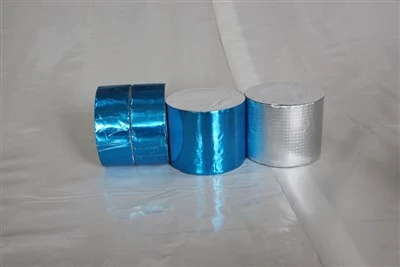
Let's say you're working on a waterproofing project. You might think about using a Waterproof Butyl Rubber Aluminium Foil Tape along with an Aluminium Coating System. While the tape provides good waterproofing, you need to make sure that the butyl rubber doesn't react negatively with the aluminium coating. If it does, you could end up with a situation where the waterproofing fails or the coating peels off.
Also, the flexibility of rubber - based coatings can be a double - edged sword. If the Aluminium Coating System is rigid and the rubber - based coating is highly flexible, the different mechanical properties can cause problems. For example, when the substrate moves or bends, the rigid aluminium coating may crack while the rubber continues to flex. This can lead to leaks or expose the substrate to corrosion.
Compatibility with Epoxy Coatings
Epoxy coatings are known for their strong adhesion and chemical resistance. However, trying to combine them with an Aluminium Coating System isn't always smooth sailing.
One of the challenges is the curing process. Epoxy coatings cure through a chemical reaction, and the presence of an aluminium coating can interfere with this process. The aluminium may act as a catalyst or inhibitor, causing the epoxy to cure too quickly or too slowly. This can result in a coating that has poor physical properties, such as low hardness or poor adhesion.
Another aspect to consider is the porosity. Epoxy coatings are often denser than Aluminium Coating Systems. If you apply an epoxy coating over an aluminium coating, the difference in porosity can trap moisture between the two layers. Over time, this can lead to corrosion and the breakdown of the coatings.
Testing for Compatibility
So, how can you find out if an Aluminium Coating System is compatible with another coating? The best way is to conduct a simple test. Take a small sample of the substrate and apply a small amount of each coating in different areas. Then, let them cure according to the manufacturer's instructions.
After the coatings have cured, check for signs of adhesion, such as scratching the surface gently with a dull object. Look for any signs of peeling, cracking, or discoloration. You can also expose the sample to different environmental conditions, like heat, humidity, or chemicals, to see how the coatings perform.
If you're not sure about the testing process or the results, it's always a good idea to consult with a coating expert. They can provide more in - depth analysis and recommend the best course of action.
Overcoming Compatibility Issues
If you do encounter compatibility issues between an Aluminium Coating System and another coating, don't worry. There are several ways to overcome them.
One solution is to use a primer. A good primer can create a barrier between the two coatings and improve adhesion. It can also help to balance the differences in surface energy and prevent chemical reactions.
Another option is to use an intermediate layer. This layer can act as a buffer between the Aluminium Coating System and the other coating, absorbing the stress caused by thermal expansion or mechanical movement.
In some cases, you may need to adjust the application process. For example, you might need to apply the coatings in a specific order or allow more time for each coating to dry and cure.
Our Help and Contact
As a supplier of Aluminium Coating Systems, we're here to help you navigate these compatibility issues. We have a team of experts who can provide you with detailed information about our products and how they interact with other coatings.
If you're in the process of planning a coating project and have questions about compatibility, or if you're interested in purchasing our Aluminium Coating System, feel free to reach out. We can offer advice on the best coating solutions for your specific needs and help you avoid any potential problems.
We provide high - quality Aluminium Coating Systems that are designed to perform well in a variety of applications. Whether you're working on a small DIY project or a large industrial one, we've got you covered.


Conclusion
In conclusion, compatibility issues between an Aluminium Coating System and other coatings are a real concern, but they're not insurmountable. By understanding the potential problems, testing for compatibility, and taking the right steps to overcome them, you can achieve a successful coating application.
If you're in the market for an Aluminium Coating System or want to know more about its compatibility with other coatings, don't hesitate to contact us. We're looking forward to working with you on your next project!
References
- Paint and Coating Technology Handbook.
- Standards and Guidelines for Coating Application in Various Industries.