Hey there! As a supplier of viscoelastic tape, I've been getting a lot of questions lately about how this stuff affects muscle function. So, I thought I'd take a deep dive into the topic and share what I've learned.
First off, let's talk about what viscoelastic tape actually is. Viscoelastic tape is a type of tape that has both viscous and elastic properties. This means it can stretch and deform under stress but also return to its original shape when the stress is removed. It's often used in sports medicine and physical therapy to support muscles, joints, and ligaments.
Now, onto the big question: how does viscoelastic tape affect muscle function? Well, there are a few different ways.
1. Muscle Support
One of the most obvious ways viscoelastic tape affects muscle function is by providing support. When you apply viscoelastic tape to a muscle, it can help to stabilize the muscle and reduce the amount of stress placed on it during movement. This is especially useful for athletes or people who engage in repetitive activities that put a lot of strain on their muscles.
For example, if you're a runner, you might apply viscoelastic tape to your calf muscles to help support them during your runs. This can reduce the risk of muscle strains and injuries, and it can also help you to run more efficiently.
2. Proprioception
Another way viscoelastic tape affects muscle function is by improving proprioception. Proprioception is your body's ability to sense its position and movement in space. When you apply viscoelastic tape to a muscle, it can provide additional sensory feedback to your brain, which can help to improve your proprioception.
This is important because good proprioception is essential for balance, coordination, and movement control. By improving your proprioception, viscoelastic tape can help you to move more safely and effectively, which can reduce the risk of injuries.
3. Blood Flow
Viscoelastic tape may also affect muscle function by improving blood flow. When you apply viscoelastic tape to a muscle, it can create a gentle pulling force on the skin, which can help to increase blood flow to the area. This increased blood flow can deliver more oxygen and nutrients to the muscle, which can help to improve its function and recovery.
For example, if you have a muscle that's been injured or is fatigued, applying viscoelastic tape to the area can help to speed up the healing process and reduce the amount of time it takes for the muscle to recover.
4. Muscle Activation
Finally, viscoelastic tape may affect muscle function by altering muscle activation patterns. When you apply viscoelastic tape to a muscle, it can provide a mechanical stimulus that can help to activate the muscle more effectively. This can be especially useful for muscles that are weak or underactive.
For example, if you have a muscle that's been injured and is not firing properly, applying viscoelastic tape to the area can help to stimulate the muscle and improve its activation. This can help to restore normal muscle function and reduce the risk of further injuries.
Now that we've talked about how viscoelastic tape affects muscle function, let's take a look at some of the different types of viscoelastic tape that are available.
Types of Viscoelastic Tape
There are several different types of viscoelastic tape available on the market, each with its own unique properties and uses. Some of the most common types of viscoelastic tape include:
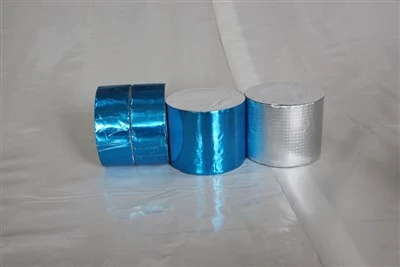
- Visco-elastic Corrosion-resistant Tape: This type of tape is designed to provide long-lasting corrosion protection for pipes and other metal surfaces. It's often used in industrial applications, such as oil and gas pipelines.
- Visco-elastic Coating: This type of tape is used to provide a protective coating for pipes and other metal surfaces. It's often used in conjunction with other anti-corrosion materials, such as primers and topcoats.
- Visco Elastic Coating System for Pipe: This type of tape is designed to provide a complete anti-corrosion system for pipes. It includes a primer, a viscoelastic coating, and a topcoat, and it's often used in high-performance applications.
- Visco-elastic Sealing for Valve Chest Protection: This type of tape is used to provide a seal for valve chests and other equipment. It's often used in industrial applications, such as oil and gas pipelines.
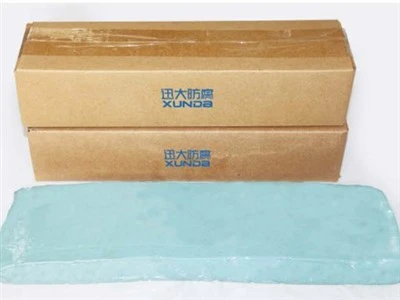
- Viscoelastic Paste: This type of tape is used to fill gaps and voids in pipes and other metal surfaces. It's often used in conjunction with other anti-corrosion materials, such as primers and topcoats.
How to Use Viscoelastic Tape
Using viscoelastic tape is relatively easy, but it's important to follow the instructions carefully to ensure that you get the best results. Here are some general tips on how to use viscoelastic tape:


- Clean the skin: Before applying viscoelastic tape, make sure the skin is clean and dry. This will help the tape to adhere better and reduce the risk of skin irritation.
- Measure the tape: Cut the tape to the appropriate length and width for the area you want to apply it to. Make sure the tape is long enough to cover the entire muscle or joint.
- Apply the tape: Start at one end of the muscle or joint and apply the tape in a smooth, continuous motion. Make sure the tape is not too tight or too loose, and that it follows the natural contours of the body.
- Rub the tape: Once the tape is applied, rub it gently to activate the adhesive and help it to adhere better to the skin.
- Remove the tape: When you're done using the tape, remove it slowly and carefully to avoid pulling on the skin. If you have any skin irritation or allergic reactions, stop using the tape immediately and consult a healthcare professional.
Conclusion
In conclusion, viscoelastic tape can have a significant impact on muscle function. It can provide support, improve proprioception, increase blood flow, and alter muscle activation patterns. If you're an athlete or someone who engages in repetitive activities, using viscoelastic tape can help to reduce the risk of muscle strains and injuries, and it can also help you to perform better.
As a supplier of viscoelastic tape, I'm committed to providing high-quality products that meet the needs of my customers. If you're interested in learning more about viscoelastic tape or if you have any questions about how it can affect muscle function, please don't hesitate to contact me. I'd be happy to help you find the right product for your needs and to answer any questions you may have.
Let's start a conversation about how our viscoelastic tape can benefit your specific situation. Whether you're in the sports industry, physical therapy, or any other field where muscle support and function are crucial, we're here to assist you. Reach out and let's discuss your requirements and see how we can work together.
References
- Kase, K. G., Wallis, J. A., & Kase, K. T. (2003). Kinesio taping method: Medical taping techniques. Kinesio Press.
- Bandy, W. D., & Irion, J. M. (1994). The effect of time on static stretch on the flexibility of the hamstring muscles. Physical Therapy, 74(9), 845-850.
- Lee, T. H., & Lee, M. Y. (2013). The effect of kinesiology taping on pain, range of motion, and muscle strength in patients with knee osteoarthritis. Journal of Physical Therapy Science, 25(11), 1433-1436.