As a supplier of pipeline anti-corrosion materials, I've witnessed firsthand the complexities and challenges that come with ensuring the compatibility of these materials with other pipeline components. In this blog, I'll delve into the various compatibility issues that can arise and offer insights based on my experience in the industry.
Understanding Compatibility in Pipeline Systems
Compatibility in pipeline systems refers to the ability of different materials to coexist without causing adverse reactions or compromising the integrity of the pipeline. When it comes to anti-corrosion materials, compatibility is crucial because any incompatibility can lead to corrosion, leaks, and ultimately, system failure.
There are several factors that can affect the compatibility of pipeline anti-corrosion materials with other components, including chemical composition, temperature, pressure, and environmental conditions. For example, some anti-corrosion materials may react with certain types of metals or chemicals, leading to corrosion or degradation. Similarly, high temperatures or pressures can cause materials to expand or contract, which can also affect their compatibility.
Common Compatibility Issues
Chemical Incompatibility
One of the most common compatibility issues is chemical incompatibility. Different anti-corrosion materials have different chemical compositions, and some may react with other materials in the pipeline. For example, some coatings may contain solvents or additives that can react with the pipeline material or other components, causing corrosion or degradation.
To avoid chemical incompatibility, it's important to carefully select anti-corrosion materials that are compatible with the pipeline material and other components. This may involve conducting compatibility tests or consulting with a materials expert.
Thermal Incompatibility
Thermal incompatibility can also be a significant issue in pipeline systems. Different materials have different coefficients of thermal expansion, which means they expand and contract at different rates when exposed to temperature changes. If the anti-corrosion material and other components have significantly different coefficients of thermal expansion, it can lead to stress and cracking, which can compromise the integrity of the pipeline.
To address thermal incompatibility, it's important to select anti-corrosion materials that have similar coefficients of thermal expansion to the pipeline material and other components. This may involve using materials that are specifically designed for high-temperature applications or using insulation to reduce the temperature differential between the anti-corrosion material and other components.
Mechanical Incompatibility
Mechanical incompatibility can occur when the anti-corrosion material and other components have different mechanical properties, such as hardness, flexibility, or adhesion. For example, if the anti-corrosion material is too hard or inflexible, it may not be able to conform to the shape of the pipeline or other components, which can lead to gaps or voids that can allow corrosion to occur.
To avoid mechanical incompatibility, it's important to select anti-corrosion materials that have similar mechanical properties to the pipeline material and other components. This may involve using materials that are specifically designed for the application or using primers or adhesives to improve the adhesion between the anti-corrosion material and other components.
Compatibility of Specific Anti-Corrosion Materials
Butyl Rubber Anti-corrosion Tape
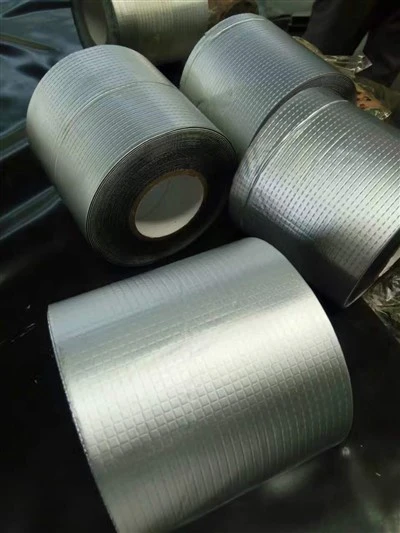
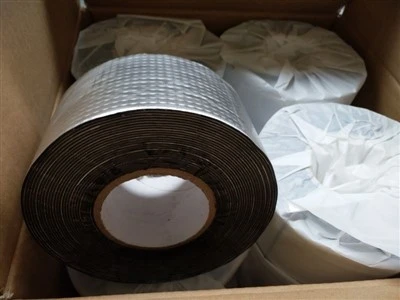
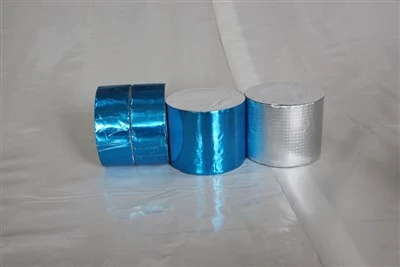
Butyl Rubber Anti-corrosion Tape is a popular choice for pipeline anti-corrosion applications because of its excellent adhesion, flexibility, and resistance to moisture and chemicals. However, it's important to ensure that the butyl rubber tape is compatible with the pipeline material and other components.
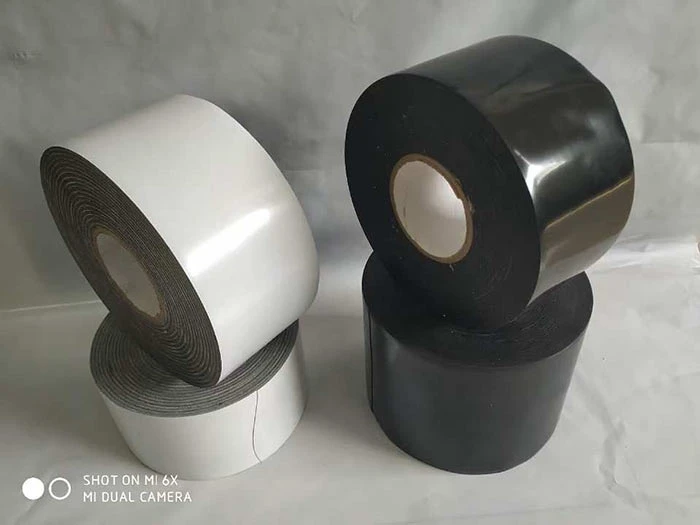
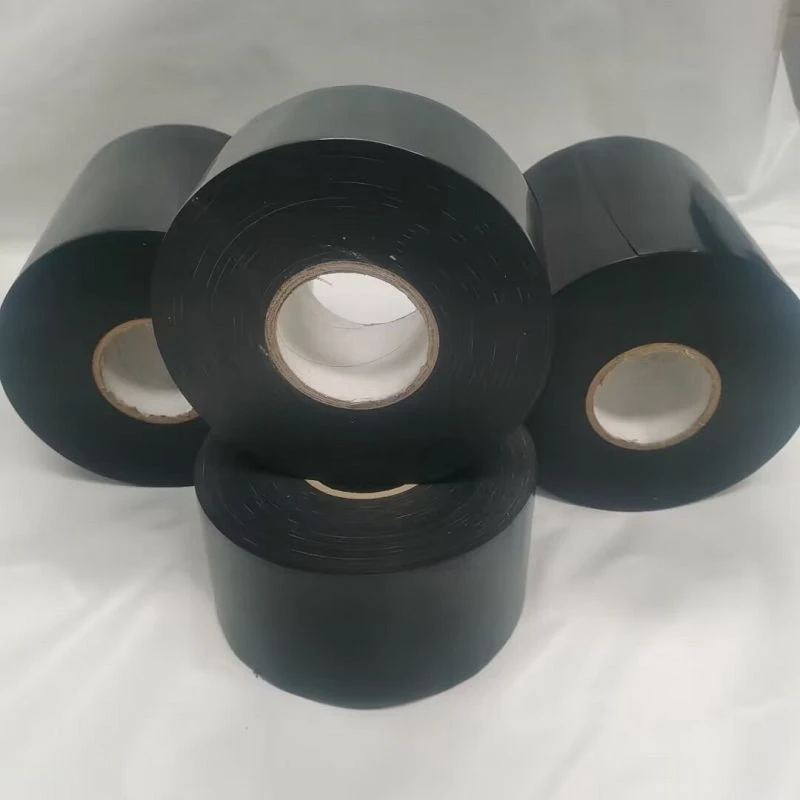
Butyl rubber tape is generally compatible with most metals, including steel, aluminum, and copper. However, it may not be compatible with some plastics or rubber materials, so it's important to conduct compatibility tests before using the tape.
Anti-Corrosion Butyl Sealant Tape
Anti-Corrosion Butyl Sealant Tape is another type of butyl rubber tape that is commonly used for pipeline anti-corrosion applications. It's similar to butyl rubber anti-corrosion tape, but it has a higher level of adhesion and is designed to seal joints and seams.
Like butyl rubber anti-corrosion tape, anti-corrosion butyl sealant tape is generally compatible with most metals. However, it may not be compatible with some plastics or rubber materials, so it's important to conduct compatibility tests before using the tape.
Polyethylene Film Tape
Polyethylene Film Tape is a lightweight, flexible tape that is commonly used for pipeline anti-corrosion applications. It's resistant to moisture, chemicals, and UV radiation, and it has good adhesion to most metals.
Polyethylene film tape is generally compatible with most metals, including steel, aluminum, and copper. However, it may not be compatible with some plastics or rubber materials, so it's important to conduct compatibility tests before using the tape.
Butyl Rubber Adhesive Tape
Butyl Rubber Adhesive Tape is a type of tape that is commonly used for bonding and sealing applications. It has excellent adhesion to most metals, plastics, and rubber materials, and it's resistant to moisture, chemicals, and UV radiation.
Butyl rubber adhesive tape is generally compatible with most pipeline components, including metals, plastics, and rubber materials. However, it's important to ensure that the tape is compatible with the specific application and environmental conditions.
Petrolatum Coating System
Petrolatum Coating System is a type of anti-corrosion coating that is commonly used for pipeline applications. It consists of a petrolatum-based coating and a protective outer layer, and it's designed to provide long-term protection against corrosion.
Petrolatum coating systems are generally compatible with most metals, including steel, aluminum, and copper. However, they may not be compatible with some plastics or rubber materials, so it's important to conduct compatibility tests before using the coating system.
Ensuring Compatibility in Pipeline Systems
To ensure the compatibility of pipeline anti-corrosion materials with other components, it's important to follow these best practices:
- Conduct Compatibility Tests: Before using any anti-corrosion material, it's important to conduct compatibility tests to ensure that it's compatible with the pipeline material and other components. This may involve testing the material in a laboratory or in a real-world application.
- Select the Right Material: When selecting anti-corrosion materials, it's important to consider the specific application and environmental conditions. This may involve choosing materials that are specifically designed for high-temperature applications, chemical resistance, or other requirements.
- Follow Manufacturer's Instructions: When using anti-corrosion materials, it's important to follow the manufacturer's instructions carefully. This may involve applying the material in a specific way, using the right tools and equipment, or allowing the material to cure for a certain period of time.
- Monitor the Pipeline: After installing the anti-corrosion material, it's important to monitor the pipeline regularly to ensure that the material is performing as expected. This may involve inspecting the pipeline for signs of corrosion, leaks, or other issues.
Conclusion
As a supplier of pipeline anti-corrosion materials, I understand the importance of ensuring the compatibility of these materials with other pipeline components. By understanding the common compatibility issues and following best practices, you can ensure that your pipeline system is protected against corrosion and other issues.
If you're interested in learning more about our pipeline anti-corrosion materials or have any questions about compatibility, please don't hesitate to contact us. We're here to help you find the right solution for your pipeline system.
References
- Smith, J. (2020). Pipeline Corrosion Prevention and Control. Elsevier.
- Jones, R. (2019). Corrosion Engineering: Principles and Practice. CRC Press.
- ASTM International. (2021). Standard Test Methods for Evaluating the Compatibility of Pipeline Coatings with Other Materials. ASTM D3359.